Image





Anuradha KAR, an Associate Professor of AI and Robotics at Aivancity, earned a Ph.D. in Electrical and Electronic Engineering from the University of Galway in Ireland.She then worked at ENS Lyon in collaboration with Inria and InraE on deep learning for the analysis of 3D biological images, before joining the Paris Brain Institute with Inria to work on deep learning for the analysis of data from patients with Alzheimer’s disease, and the Pasteur Institute in Paris on deep learning applications in drug discovery. She is particularly interested in deep learning applications in computer vision, computational biology, and healthcare, as well as human-machine interactions and intelligent systems.
| Year | University | Degree/Position |
|---|---|---|
| 2015–2019 | National University of Ireland, Galway | Ph.D. in Philosophy, Electrical and Electronic Engineering |
| 2009–2011 | University of Calcutta, India | Master of Technology, Specialization: Radio, Physics & Electronics |
| 2005–2009 | West Bengal University of Technology, India | Bachelor of Technology in Electronics and Communications |
| Year | Function |
|---|---|
| September 2024 | Associate Professor of AI and Robotics at aivancity. Specializes in deep learning, computer vision, explainable AI, AI for healthcare, and human-machine interactions. |
| October 2021–August 2023 | Brain Institute (Paris)/ Researcher |
| June 2019 – September 2021 | École Normale Supérieure de Lyon / Researcher |
| May 2015 – May 2019 | National University of Ireland, Galway / PhD Student |
| November 2013 – April 2015 | German Aerospace Center / Research Assistant |
| March 2012–July 2013 | Max Planck Institute for Solar System Research / Research Assistant |
| Year | Function |
|---|---|
| 2024 | Transformers and Explainable AI for Computer Vision |
| 2021 | Transfer Learning for DICOM Image Classification |
| 2016 | Emotion Recognition Using SVM Models |

Areas of expertise
Artificial Intelligence
Area(s) of expertise
Data science

Areas of expertise
Applied Mathematics, Probability

Areas of expertise
Generative AI, large language models (LLMs), machine and deep learning, language and emotion analysis, instructional engineering, and technological innovation.

Areas of expertise
Artificial intelligence
Data Science
Area(s) of expertise
Ethical aspects of artificial intelligence, Privacy enhancing technologies, Cybersecurity

Area of expertise
Advanced telecommunications, computer networks, intrusion detection and cybersecurity, applied artificial intelligence

Area(s) of expertise
Strategy, Leadership and Management, Human resources management, Steering and development, Organizational performance, Institutional relations

Area(s) of expertise
Data Science, Machine Learning, Deep Learning

Area(s) of expertise
Artificial Intelligence

Area(s) of expertise
Data science, Artificial Intelligence, Innovation Leadership, Natural Language Processing, IT System Engineering, Management, Consultancy, Personal Coaching

Area(s) of expertise
Artificial Intelligence, Natural Language Generation (NLG), Chatbots open-source patents software publishing coaching

Area(s) of expertise
AI Coding, Project management, Machine Learning, Change management, Communication

Area(s) of expertise
AI and Culture, Art, Artificial Intelligence

Area(s) of expertise
HR data analysis, management control

Area(s) of expertise
English

Areas of expertise
Management, Corporate Finance, Governance
Area(s) of expertise
Data Science and AI

Area(s) of expertise
Climate change, circular economy, ESG, Data & AI, CSR, Sustainable development, GreenIA
Area(s) of expertise
data science, artificial intelligence, intelligent systems and robotics

Area(s) of expertise
Distributed systems and algorithms, data management, data consistency, autonomous data, multi-agent systems, federated learning

Area(s) of expertise
AI & Deep learning, Machine Learning, IoT, Neural networks, AI project management

Area(s) of expertise
AI, Transformation, Digital, Innovation, Data

Area(s) of expertise
Artificial intelligence, Ethics, Philosophy, Data science, Statistics and Machine Learning

Area(s) of expertise
Computer science, automatic processing, automatic learning

Area(s) of expertise
Journalism, Media

Area(s) of expertise
Law, AI, Technology, Data

Area(s) of expertise
Functional and technical management, functional architecture, artificial intelligence, BigData and data science

Areas of expertise
AI law, Data protection, Contract law, European law, Sustainable law, Sustainable finance, Civil law, Insurance law, Arbitration

Area(s) of expertise
Data science

Area of expertise

Areas of expertise
AI, Generative AI, AI Project Management, Deep Learning, Machine Learning, Time Series

Area(s) of expertise
AI, Machine Learning
Area(s) of expertise
Artificial Intelligence and Big Data

Area(s) of expertise
Machine Learning, Deep Learning, Signal Processing, Computer Vision

Area(s) of expertise
Transformation program management, IT project management, Change management, Management of international and multicultural teams

Areas of expertise
, Life cycle analysis, Environmental impacts of digital technology and IoT

Area(s) of expertise
AI and blockchain, data science, DataOps...

Areas of expertise
Artificial intelligence, human resources, change management, occupational health

Area(s) of expertise
Machine learning, Maths, Computer Science, Philosophy of science, AI, Data science, Reinforcement Learning, Formal verification

Area(s) of expertise
AI project management - Strategy and Innovation

Area(s) of expertise
AI, Project management, Financial risk, Capital markets

Areas of expertise
, Artificial Intelligence, Machine Learning, Deep Learning
Areas of expertise
Management, Management Control, Communication and Organizational Change, Informal Control and Panoptic Control, Governance and Organizational Performance

Area(s) of expertise
AI and the Arts, Entrepreneurship

Areas of expertise
, Machine Learning, Natural Language

Area(s) of expertise
Human resources management, Human resources, BU management
Area(s) of expertise
Data science, Big Data

Area(s) of expertise
AI ethics, Fairness, privacy, causality, machine learning

Area(s) of expertise
IT, Blockchain, IoT, cybersecurity

Area(s) of expertise
Sociology of science

Area(s) of expertise
IT, Entrepreneurship, Agile, Design thinking

Area(s) of expertise
Governance of AI systems, algorithmic liability, technology law
Area(s) of expertise
Artificial Intelligence, Mobile Cognitive Systems, Data Analytics, Business Intelligence
Areas of expertise
, Data Science, Data Mining, Machine Learning, Artificial Intelligence, The Internet of Things, Computer Networks
Area(s) of expertise
Biotechnology, Artificial intelligence, Data Science
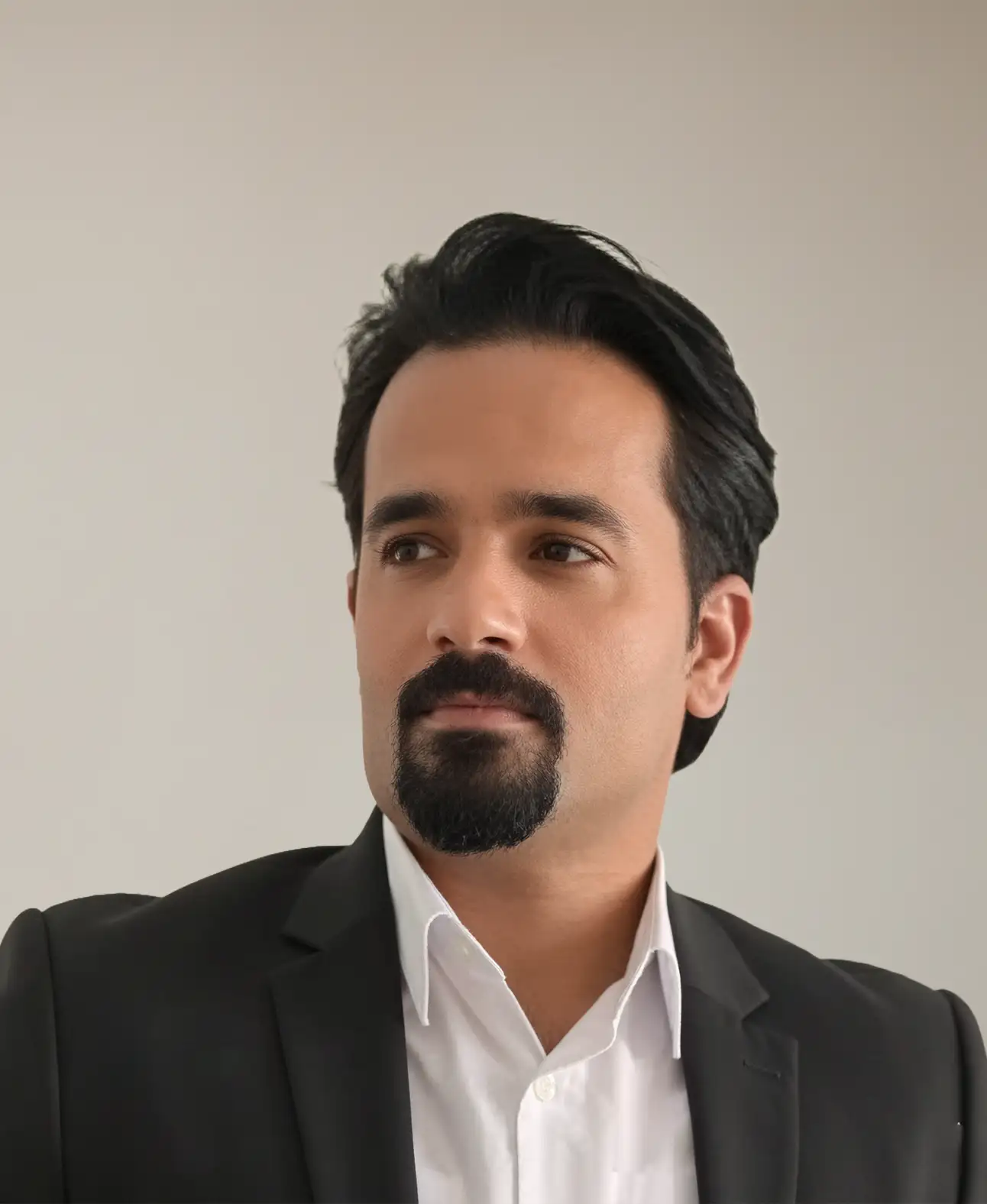
Areas of expertise
Computer Vision, AI
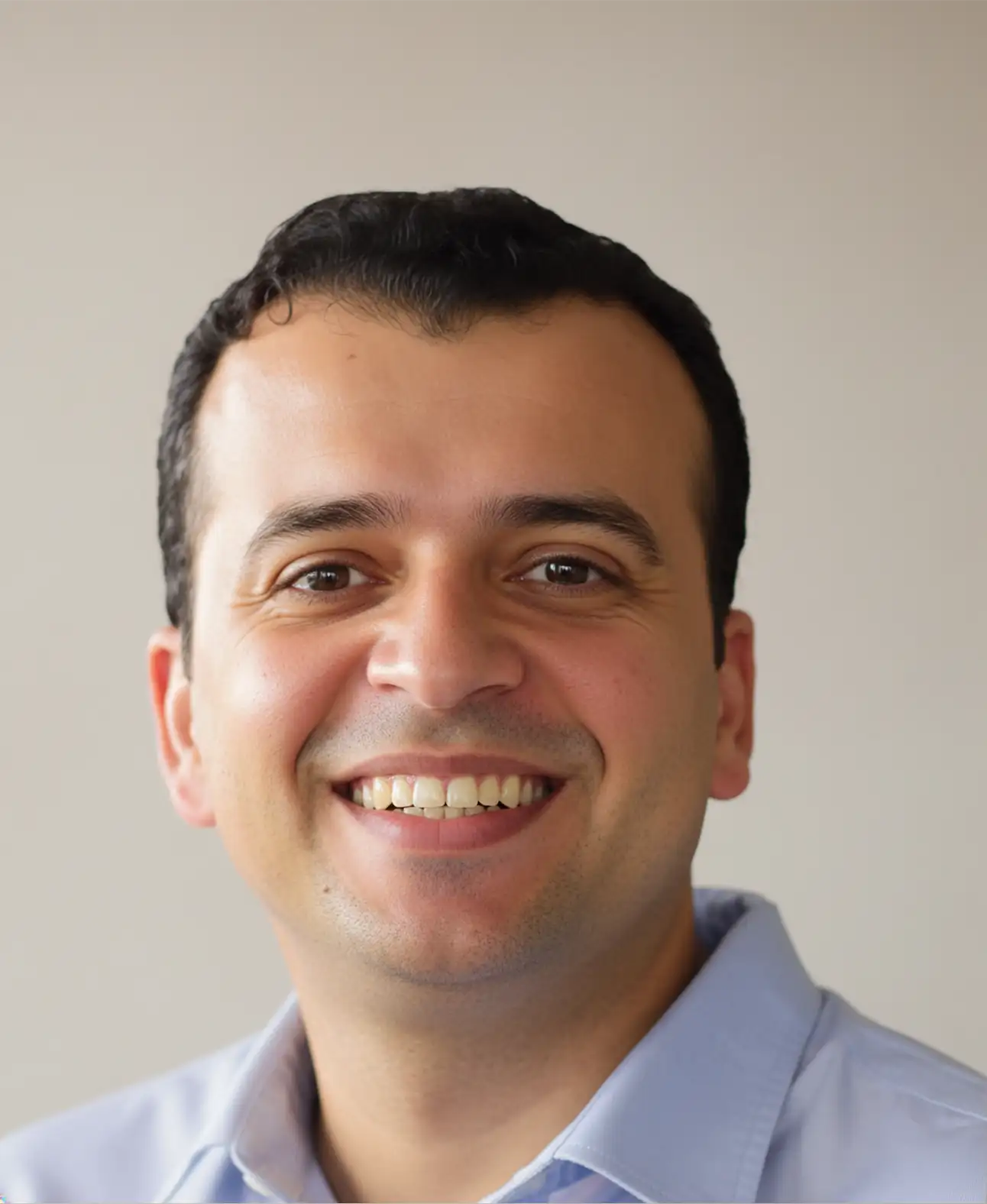
Area(s) of expertise
IoT, networks, performance evaluation, machine learning, smart cities
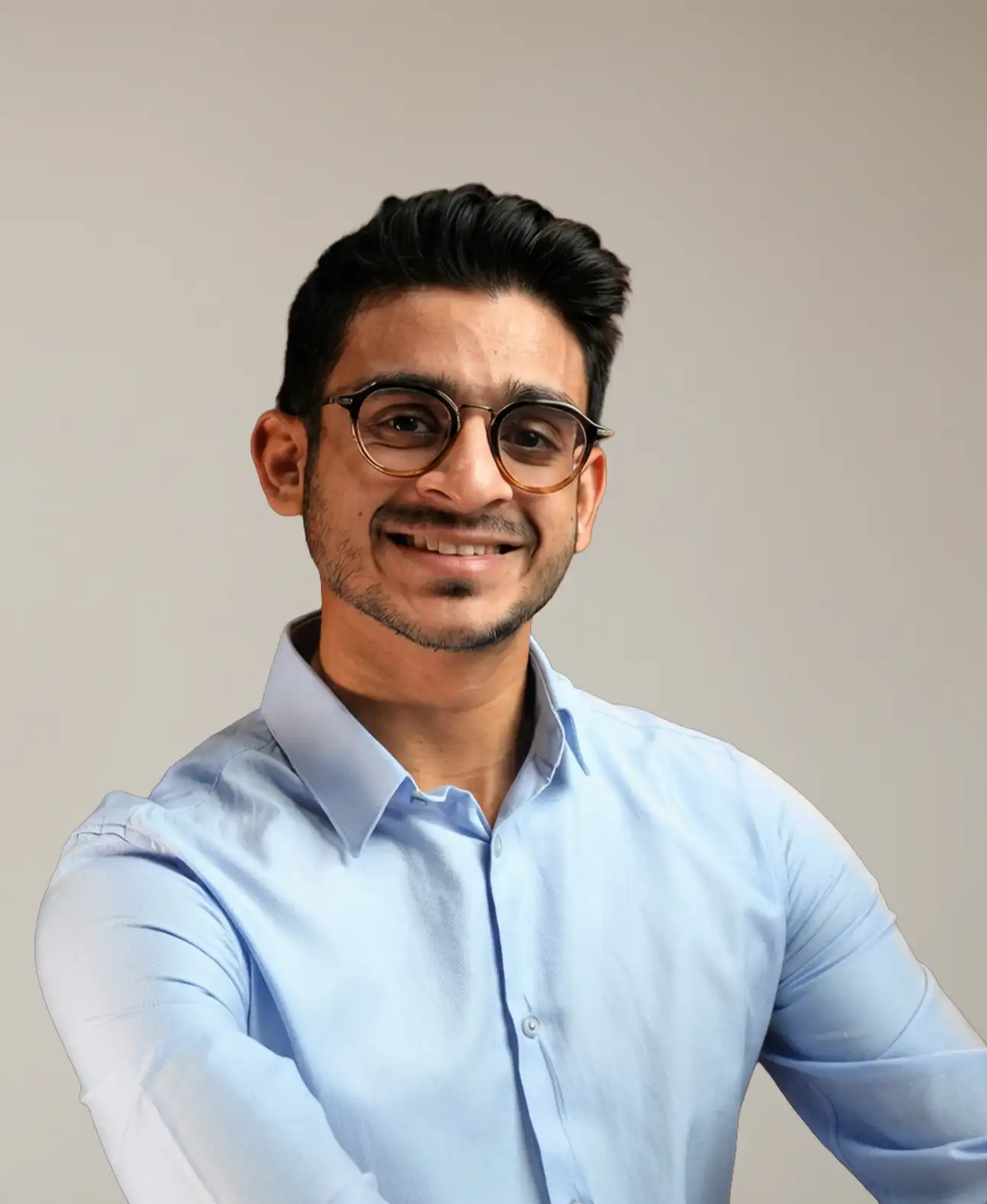
Area(s) of expertise
Robotics and generative AI